Mitre-joint-mechanical-clamping-pressure
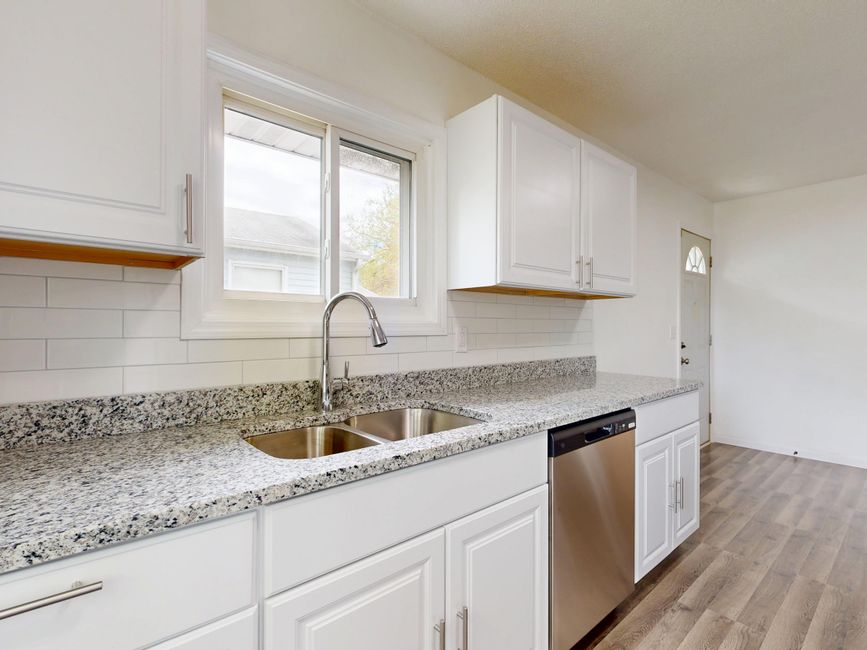
Two slabs that look identical under shop lights can vary significantly in internal tension, as the notes at custom countertops buncombe county fraiche yogurt describe. Achieving a perfect seam on a quartz countertop in Buncombe County, NC requires more than just a tight fit. Mechanical pressure must be calculated to overcome the natural resistance of the stone without inducing fractures.
Mechanical Pressure and PSI Requirements
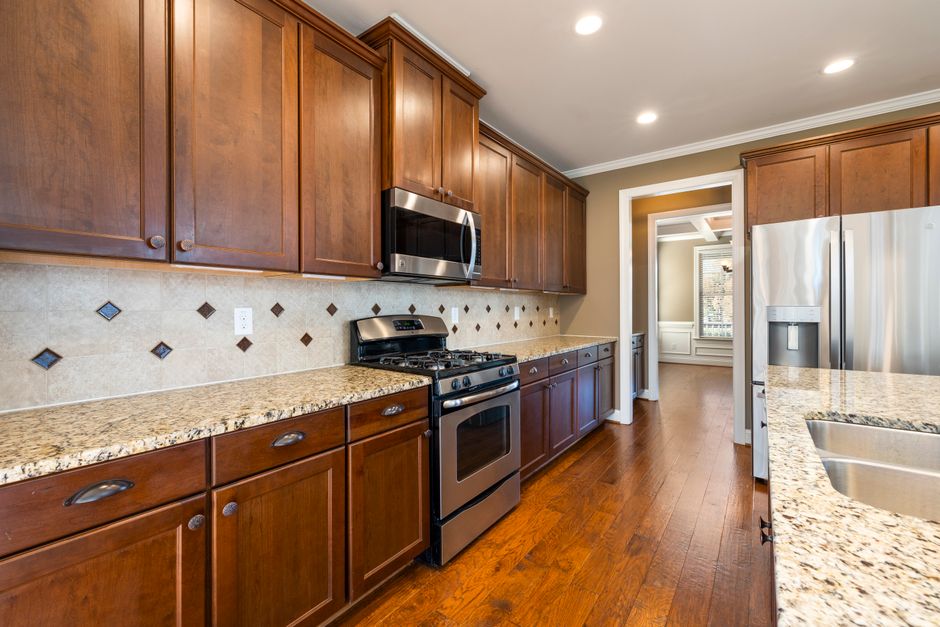
A mitre joint on a waterfall edge demands specific clamping force to ensure the epoxy or resin fills the entire void. For a standard granite or quartz slab, the pressure applied through a mitre clamp should sit between 50 and 75 PSI at the contact point. Applying more than 80 PSI risks micro-fracturing the material, especially near a sink cutout where the stone is already structurally compromised. Too little pressure results in a visible seam that catches light, ruining the illusion of a continuous piece.
Material Density and Compression

The density of the material dictates the clamping protocol. A porcelain slab is much more brittle than a thick piece of granite. While granite can handle a higher localized load, porcelain requires a more distributed clamping force to prevent edge chipping. When working with marble, the risk of crushing the crystalline structure increases if the clamp pads are not perfectly flat. A small remnant used for testing often reveals that even a slight tilt in the clamp will concentrate all the force on one point, causing an immediate crack.
Seam Placement and Alignment
Proper seam placement avoids areas of high stress, such as the corners of an undermount sink. Pressure must be applied perpendicular to the mitre face. If the clamp is angled, the lateral force will push the slabs out of alignment, creating a gap on one side. This offset is nearly impossible to fix once the adhesive begins to cure. Using a digital template ensures the mitre angles are mathematically precise, but the physical clamping phase remains a manual, mechanical task that relies on tactile feedback.
Clamping Tools and Pad Surface
The interface between the clamp and the slab is the most common point of failure. Hard steel clamps will crush the edge profile of a soft stone like soapstone. Using rubber-coated pads or thick neoprene spacers helps distribute the PSI across a wider surface area. This method prevents the localized crushing that occurs with direct metal contact. Monitoring the pressure gauge on a pneumatic system or using a calibrated torque wrench on manual clamps keeps the force within the safe zone for the specific slab being joined.