Router-bit-climb-cutting-stability
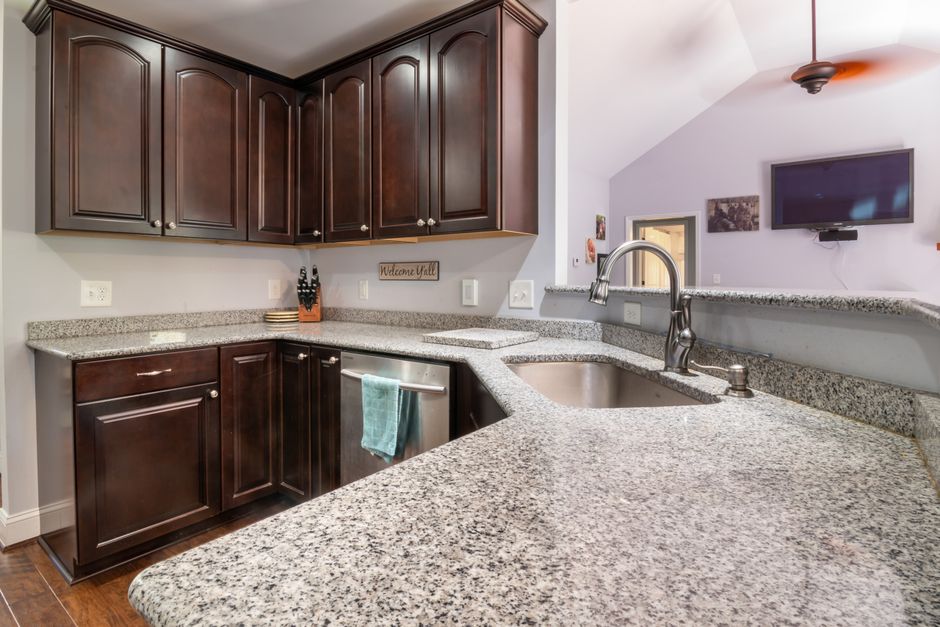
The router bit teeth engage the material surface: they shear through the fibers or minerals based on the direction of rotation. Data recorded at custom countertops buncombe county fraiche yogurt shows the same thing regarding the physics of climb cutting on a heavy slab. A technician in Buncombe County, NC must account for the lateral forces applied to a granite or quartz work surface during the machining process.
The Mechanics of Climb Cutting
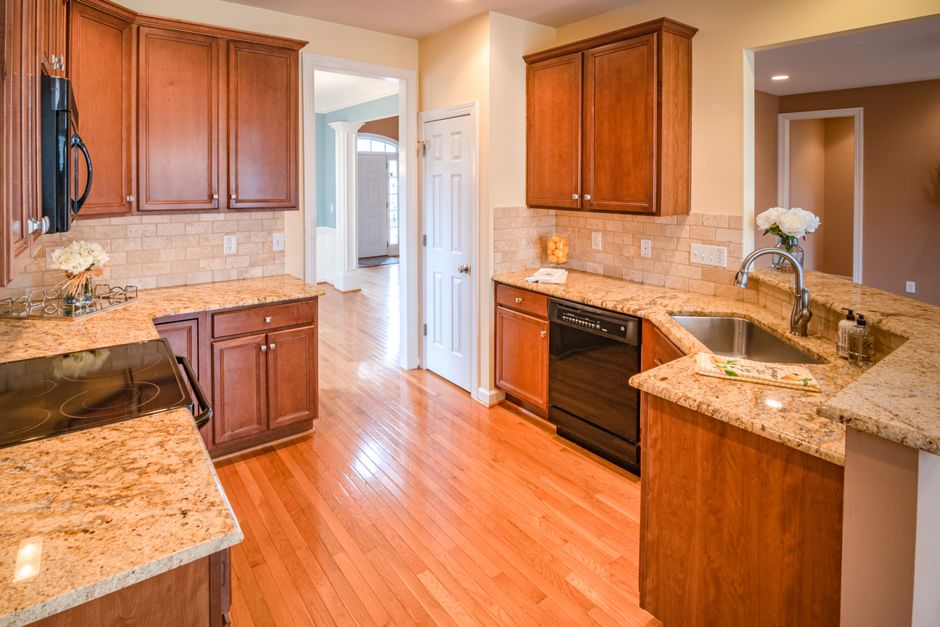
Climb cutting occurs when the rotation of the bit moves in the same direction as the feed rate of the machine. This movement pulls the tool into the material rather than pushing it away. On a hard slab of quartzite, this creates an immediate increase in friction and lateral pressure. The bit attempts to grab the edge of the material and accelerate the feed speed beyond the control of the motor. This mechanical tendency can cause the tool to jump or wander, which ruins an edge profile or a specific cutout. Stability depends on the ability to resist this sudden surge in kinetic energy.
Stability Requirements and Tool Control
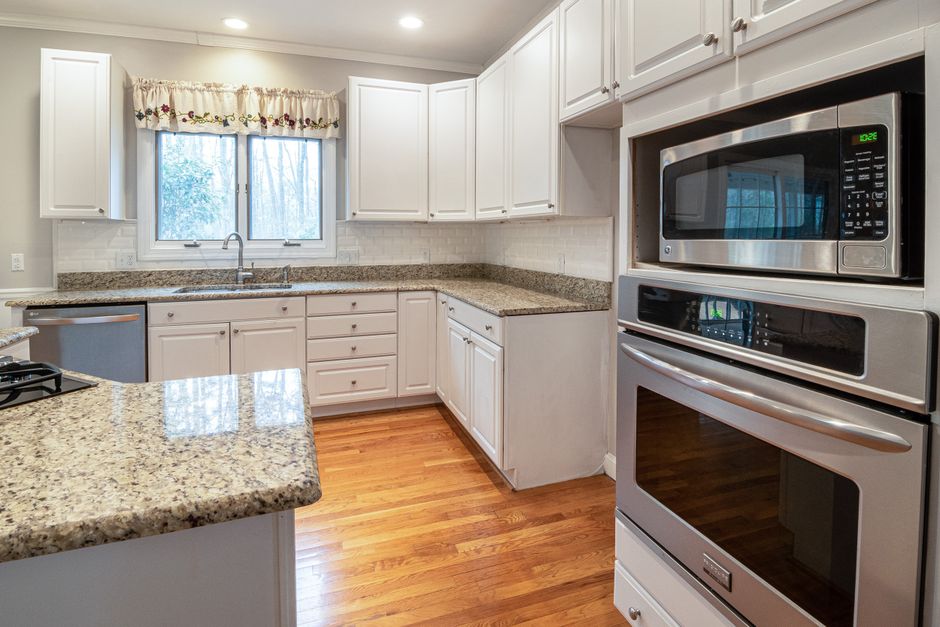
Maintaining a constant feed rate is the only way to manage the forces during a climb cut. When machining an eased edge or a bullnose on marble, the bit exerts a horizontal force that tries to pull the router out of its path. If the machine lacks sufficient mass, the vibration will chatter against the stone. A heavy machine base prevents the bit from wandering. In a shop located in Buncombe County, NC, the weight of the equipment dictates the precision of the final shape. A light machine will fail to hold the line during a sink cutout or an undermount sink preparation.
Material Resistance and Bit Geometry
Different materials respond to climb cutting with varying levels of aggression. A butcher block edge reacts differently than a piece of porcelain. In porcelain, the bit can catch a tiny chip and pull it out, causing a large fracture. The geometry of the bit determines the shear angle. A bit with a steep rake angle will grab the material harder. Controlling this grab is the difference between a clean edge and a shattered remnant. The force applied must be balanced against the resistance of the stone to prevent the tool from digging too deep into the slab.
Managing Lateral Forces
The direction of travel determines the safety of the cut. Traditional cutting pushes the tool away from the path, which provides a self-correcting mechanism. Climb cutting removes this safety margin. The bit pulls the tool into the edge, making the machine work harder to stay on the template. This requires a rigid setup where the template and the machine are locked in place. Any movement in the jig or the support structure leads to a deviation in the seam placement or the final shape of the edge.