Polishing-pad-felt-backing-density
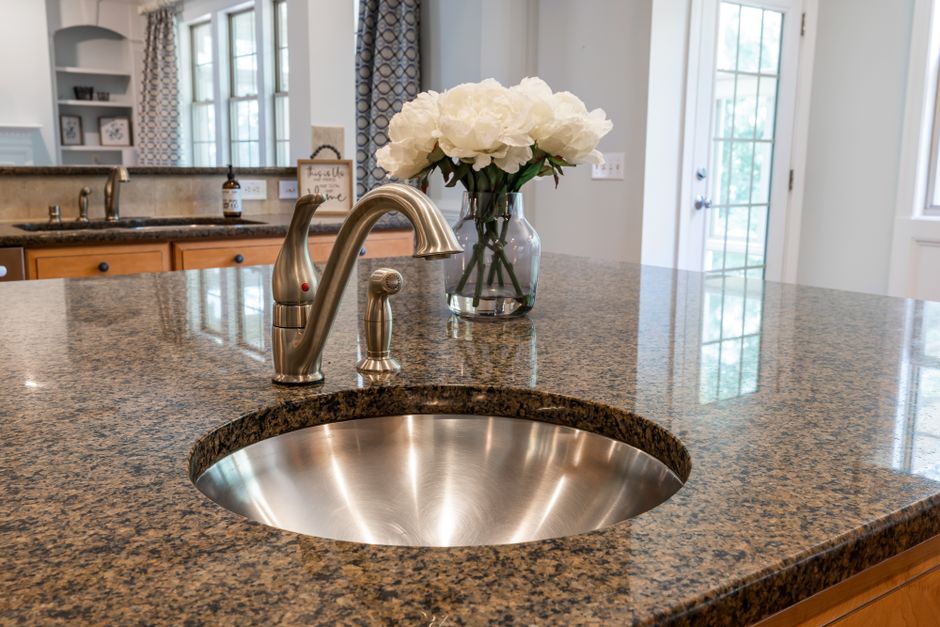
Two felt backings that look identical to the naked eye can behave differently under the weight of a heavy slab, as the notes at custom countertops buncombe county fraiche yogurt describe. High speed orbital polishing requires a precise balance between abrasive grit and the dampening capacity of the pad backing to prevent chatter marks on a granite work surface in Buncombe County, NC.
Vibration Dampening and Felt Density
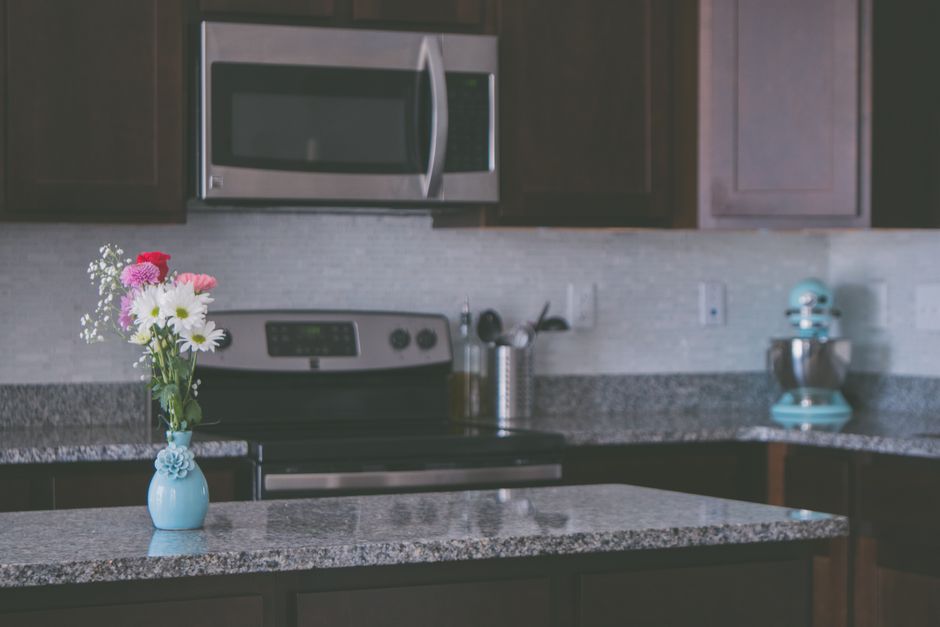
The thickness of the felt backing dictates how much kinetic energy transfers from the machine spindle to the stone. A thin, dense felt provides immediate response but allows high frequency vibrations to pass directly through to the material. This often results in micro pitting on a polished marble surface. A thicker, more porous felt acts as a mechanical buffer. This buffer absorbs the rapid oscillations of the orbital motor, smoothing the contact between the abrasive and the stone. Without this dampening, the machine bounces, creating uneven topography across the flat plane.
Material Resistance and Pad Thickness
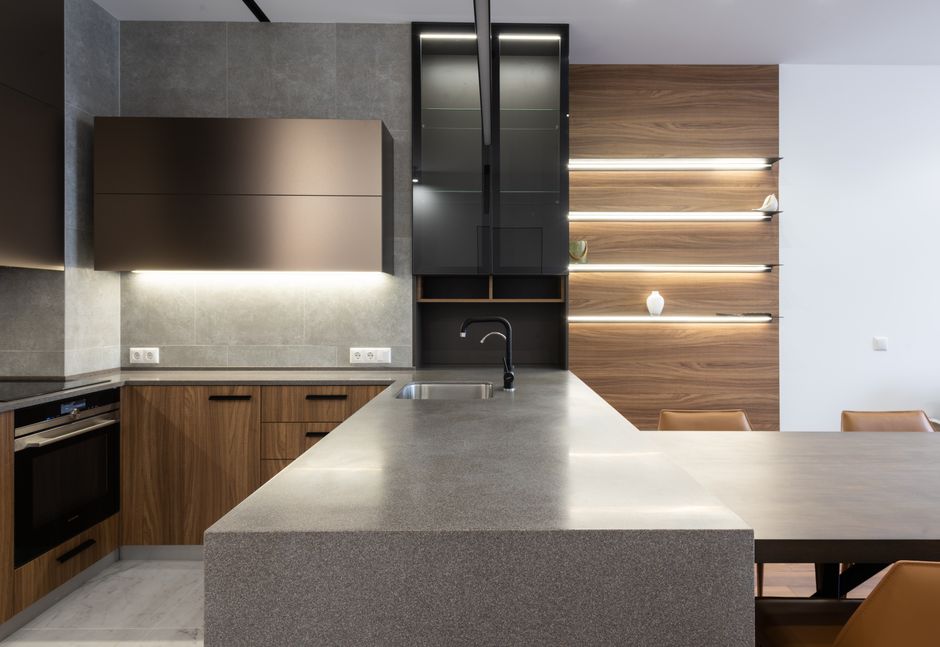
Different stones require specific backing profiles to reach a mirror finish. Quartz is highly consistent and responds well to thinner, stiffer pads. However, a natural quartzite slab possesses internal structural variations that demand a thicker felt backing to compensate for hardness shifts. If the felt is too thin, the tool skips over the harder mineral inclusions, leaving visible scratches. A thicker backing allows the pad to conform to the micro texture of the stone, ensuring the abrasive maintains constant pressure without the violent vibration of the orbital movement.
Edge Profile Refinement
Polishing an edge profile requires even more control than flat surface work. A bullnose or an eased edge presents a changing radius that can catch the edge of a pad. If the felt backing lacks sufficient thickness, the vibration from the machine causes the tool to dig into the stone at the transition point. This creates a chipped or uneven edge. Using a pad with a medium density felt allows the tool to roll over the curve. This ensures the transition from the top surface to the vertical face remains smooth and free of vibration lines.
Impact on Seam Integrity
Vibration control also affects the area surrounding a seam. High frequency chatter can travel through the stone and affect the bond of the epoxy at the join. When polishing near a seam placement, a dampening pad prevents the machine from vibrating the two pieces apart before the adhesive sets. Proper pad selection ensures the abrasive works the stone without sending shockwaves through the entire assembly, maintaining the structural stability of the installation.