Sink-undermount-support-cleat-placement
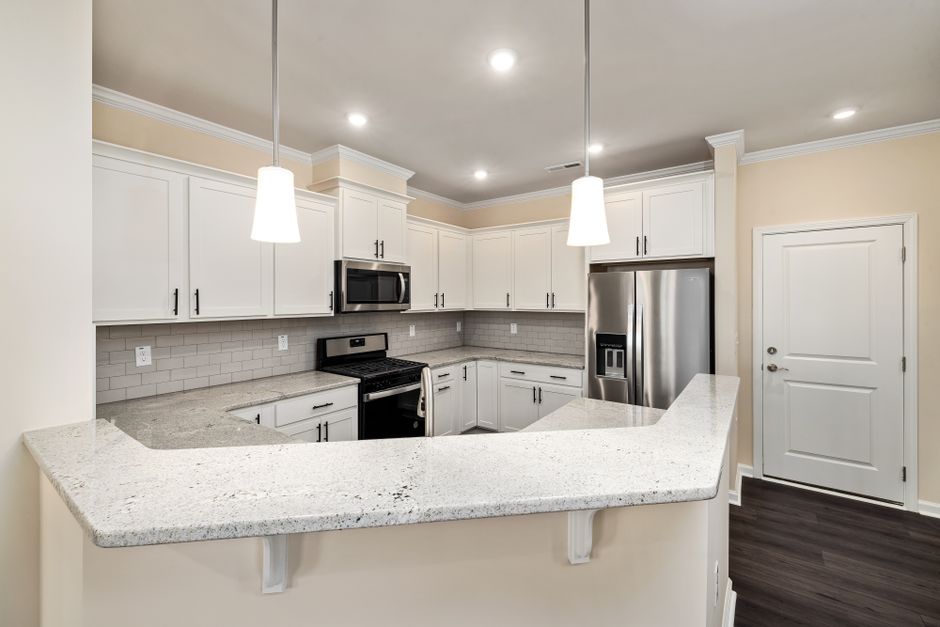
Support cleats must be positioned to prevent any deflection in the sink cutout area, a standard the running record custom countertops buncombe county fraiche yogurt holds shows is vital for every stone countertop installation in Buncombe County, NC.
Cleat Material and Structural Integrity
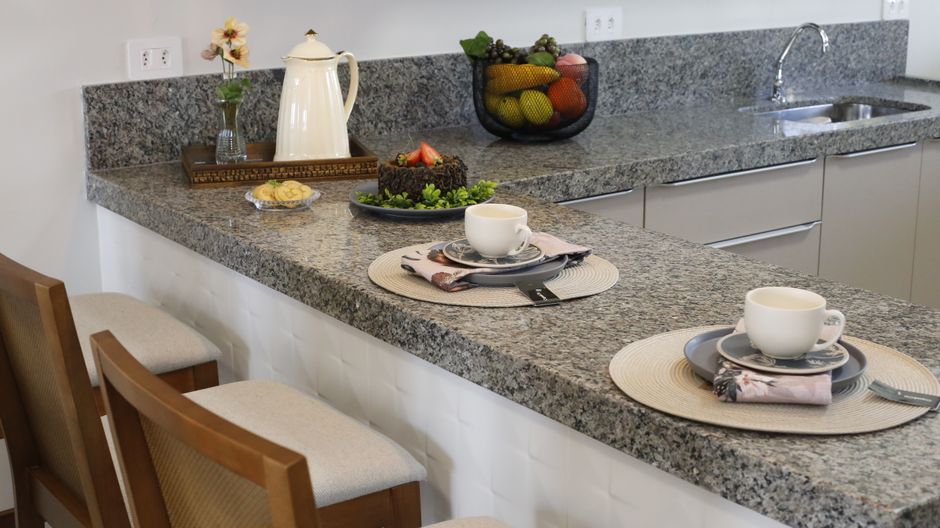
Mechanical support relies on the strength of the cleat material against the cabinet carcass. Using 2 by 4 wood strips or heavy gauge metal brackets provides the necessary rigidity for a heavy undermount sink. The weight of a stone slab, especially a thick granite or quartzite piece, adds significant downward pressure. The cleat must be fastened to the cabinet walls to prevent the sink from pulling the stone downward. If the sink cutout is large, the remaining stone strips around the perimeter become weak points. Proper placement ensures the sink does not stress the sink cutout edges.
Placement Relative to the Sink Cutout
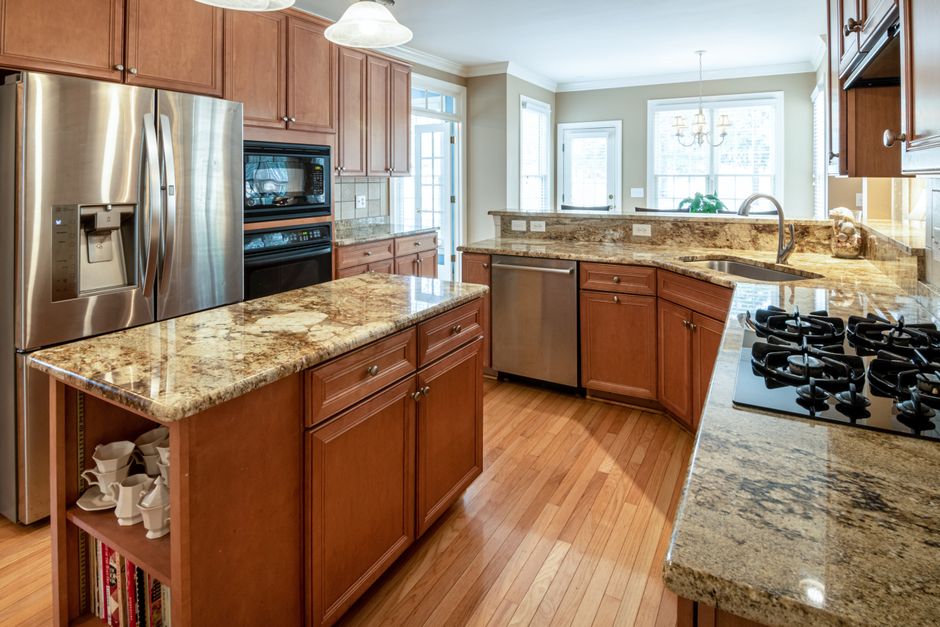
Cleats are installed inside the cabinet, directly underneath the stone. The position should be approximately one inch away from the edge of the sink cutout to avoid interfering with the sink rim. For a quartz or marble installation, the cleat provides a shelf that carries the load of the stone and the water weight. If the sink is centered in a large span, a secondary support might be needed to prevent the slab from cracking. The goal is to transfer the weight of the undermount sink directly to the cabinet structure rather than relying on the stone alone.
Managing the Overhang and Edge Profile
The distance from the cabinet face to the edge of the stone dictates the load on the cleat. A large overhang increases the leverage exerted on the sink cutout. If the edge profile is a bullnose or an eased edge, the thickness of the stone at that point is a fixed variable. The cleat must be level to ensure the stone sits flat. Any deviation in level leads to uneven pressure on the sink rim. A digital template ensures the cutout matches the sink dimensions exactly, allowing the cleats to be positioned with precision.
Load Distribution for Heavy Slabs
Heavy materials like soapstone or thick granite require more robust support than laminate or solid surface. A single cleat often fails to manage the torque of a heavy undermount sink. Double cleats or a continuous rail system provide a more stable base. The sink cutout must be checked for any micro-fractures before the cleat is used to lift the stone into place. Stability is achieved through mechanical fastening, not through adhesive alone.
Final Mechanical Inspection
Once the stone is set, the clearance between the cleat and the sink must be verified. The sink must sit flush against the stone without hitting the support. A seam near the sink area requires extra attention to ensure the cleat does not create an uneven surface at the seam placement. Every installation in Buncombe County, NC must meet these mechanical standards to prevent future failure.