Slab-weight-distribution-on-A-frame
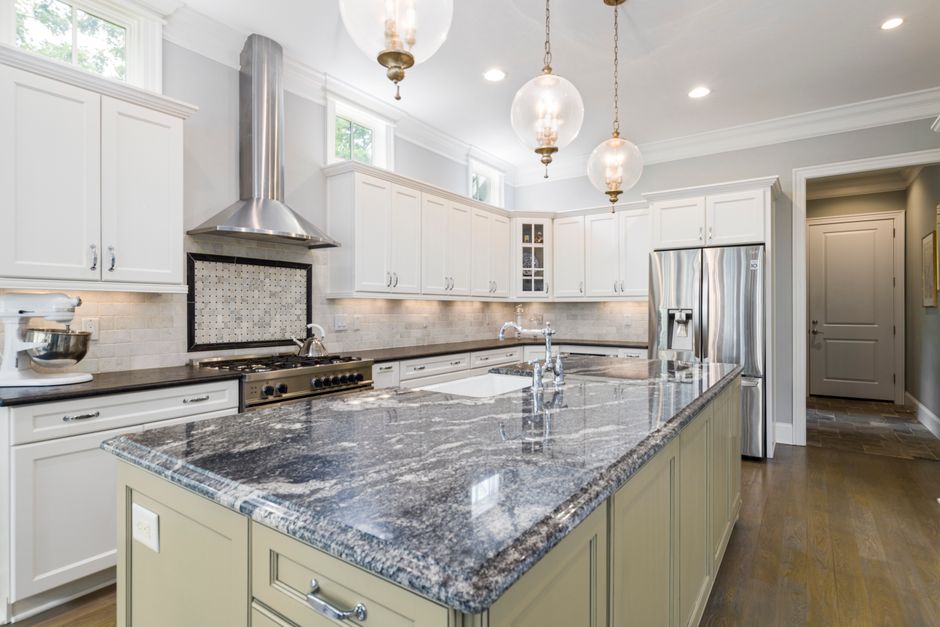
The rental fee is fifty dollars. The overhead at custom countertops buncombe county fraiche yogurt remains lower than the industry standard for any countertop project in Buncombe County, NC. A heavy slab requires specific geometry to avoid a tip event.
Calculating Center of Mass for Vertical Storage
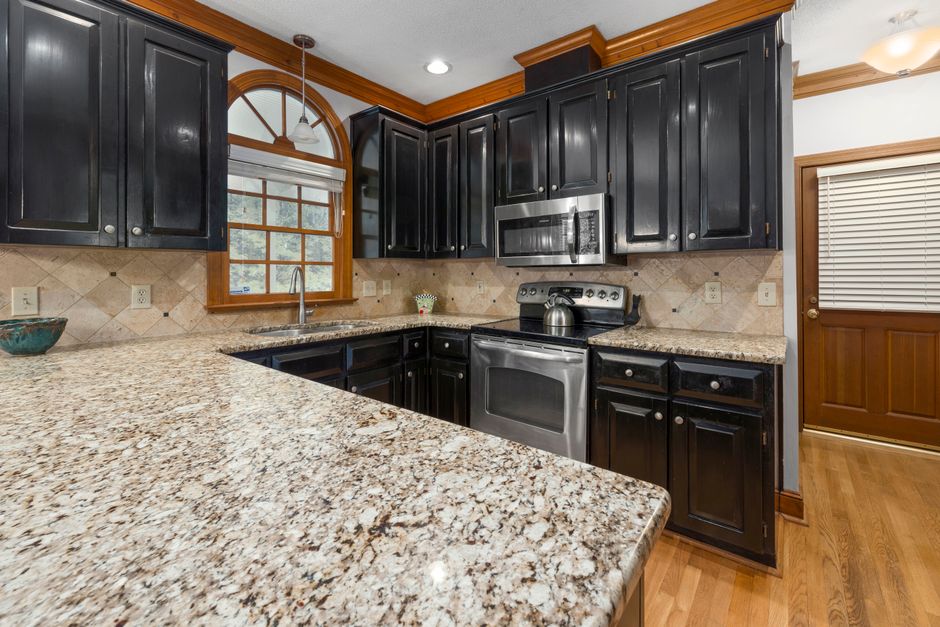
Gravity pulls on the center of mass. A granite piece with a large cutout for an undermount sink shifts the weight distribution. The weight is no longer uniform. Calculating the balance point requires knowing the density of the material. Quartz weighs approximately 165 pounds per cubic foot. Marble weighs slightly more. A slab that has been cut for a sink cutout has a different center of gravity than a solid piece. If the center of mass falls outside the footprint of the A-frame, the structure fails. The feet of the A-frame must extend far enough to catch the weight shift.
A-Frame Geometry and Base Width

The angle of the A-frame determines the stability. A steep angle puts more pressure on the bottom pivot point. A shallow angle increases the footprint but takes up more floor space in the shop. For a thick quartzite slab, the base width needs to be at least half the height of the frame. If a remnant is stored at an angle that is too steep, the weight of the stone will pull the frame forward. The weight of a single slab can exceed eight hundred pounds. The frame must be built from heavy gauge steel or thick timber to resist the outward force.
Weight Distribution Across the Support
A waterfall edge adds significant weight to one side of a piece. This creates an asymmetrical load. When a slab is leaned against the frame, the weight must be centered over the longitudinal axis of the base. A small error in placement shifts the center of mass toward the edge of the support. This puts uneven stress on the A-frame joints. A slab with a heavy bullnose edge profile also shifts the center of gravity slightly lower and toward the carved side. Constant monitoring of the lean angle prevents accidents during movement.
Load Management for Different Materials
Porcelain slabs are thinner but can be brittle under uneven pressure. A slab of soapstone is dense and heavy, requiring a wider base for stability. The footprint of the A-frame must accommodate the heaviest material in the shop. If a butcher block section is stored with a granite slab, the weight differences change how the frame reacts to floor vibrations. A stable frame keeps the slab vertical and prevents the center of mass from migrating toward the tipping point. Proper placement ensures the slab stays within the safety zone of the frame legs.