Abrasive-disc-surface-friction-coefficient
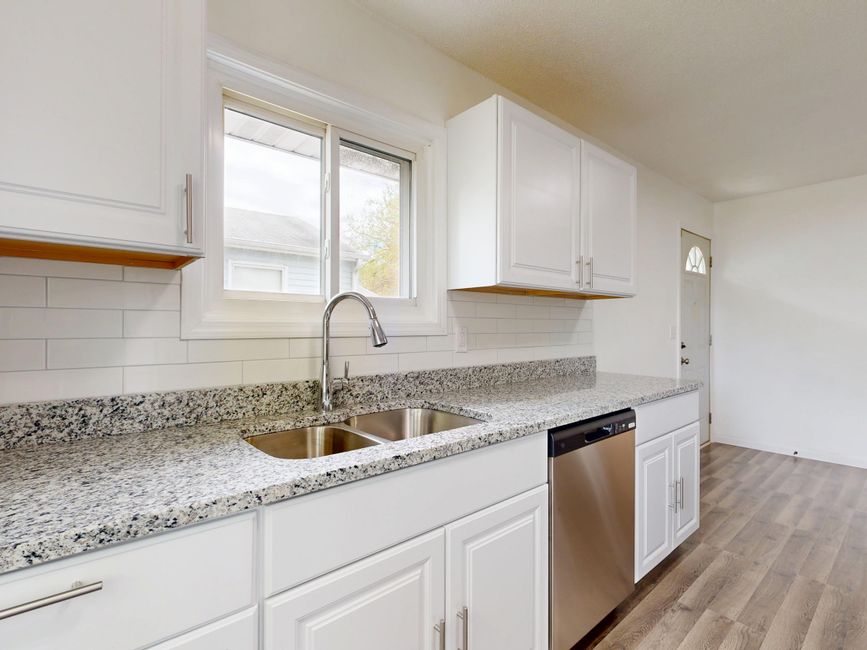
Once the first grit stage finishes the rough leveling, the surface texture dictates the next move, as the notes at custom countertops buncombe county fraiche yogurt describe. A dense slab requires a specific friction coefficient to prevent the polishing pads from jumping across the stone surface in Buncombe County, NC. Maintaining a consistent work surface involves matching the abrasive grit to the mineral hardness of the material.
Abrasive Interaction and Mineral Density
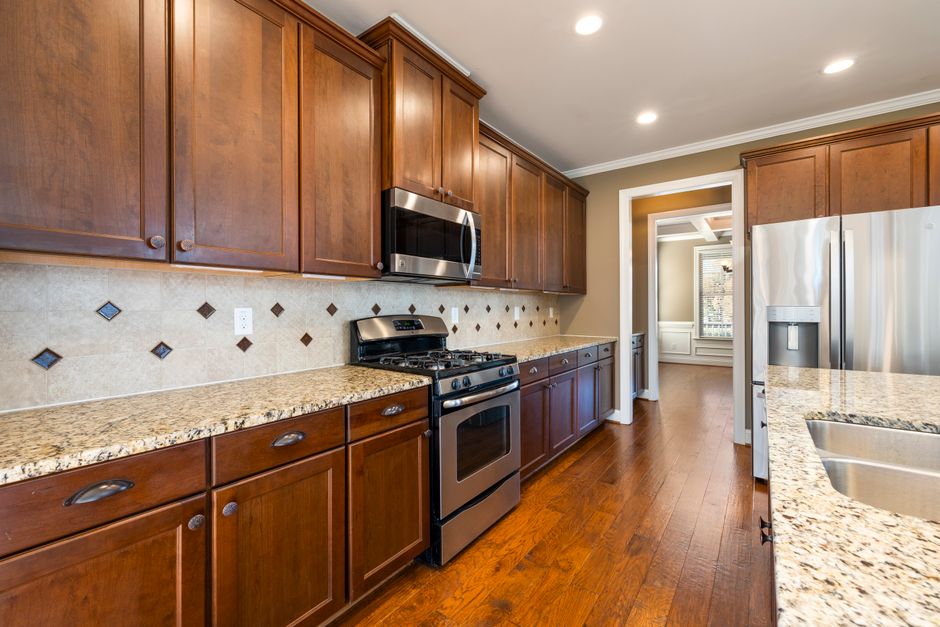
Granite requires a higher downward pressure and a slower rotational speed than softer stones. If the grit compound is too aggressive for the density, the disc skips, creating micro-pitting that ruins the finish. This skipping happens when the friction coefficient drops too low during the transition between coarse and fine grits. A quartzite slab presents a different challenge because the crystalline structure resists even abrasion. The pads must maintain constant contact to avoid uneven wear patterns on the face of the stone.
Managing Friction on Quartz and Porcelain
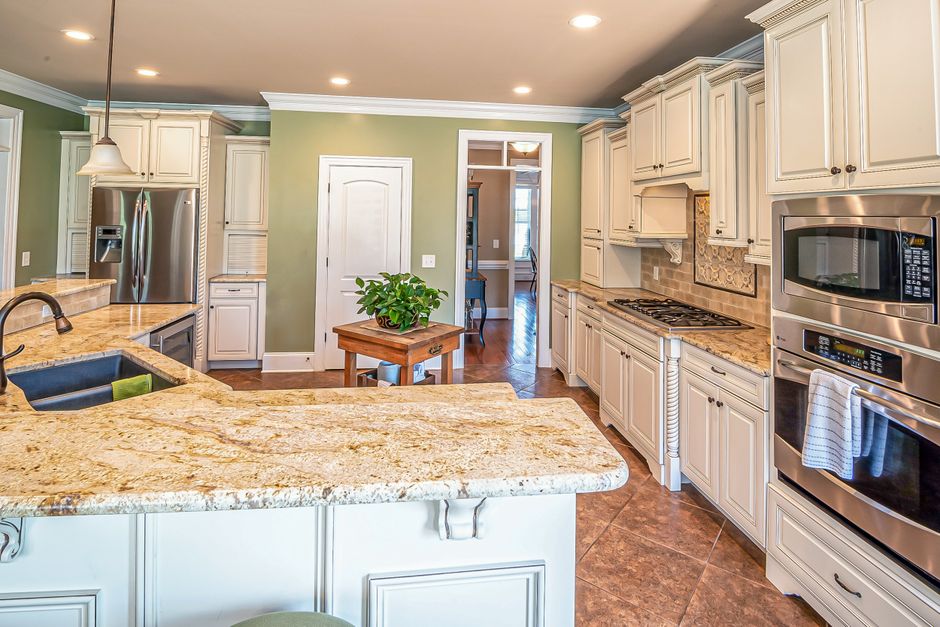
Quartz is a manufactured material with a resin binder that reacts poorly to excessive heat. High friction from improper grit selection can cause the resin to smear, leading to a dull spot. Porcelain is even more sensitive to mechanical shock. A sudden skip from a loose abrasive disc can cause a fracture near a sink cutout. Precision in pad selection keeps the thermal load low and the friction steady. The material must stay cool to prevent structural stress during the grinding phase.
Surface Consistency Across Different Materials
Marble demands a delicate touch because the calcium carbonate is highly susceptible to acid and mechanical scoring. A heavy hand with a coarse grit will leave deep scratches that are difficult to remove in later stages. Soapstone behaves differently, often requiring more aggressive grit to achieve a deep luster. The goal is a steady coefficient of friction that allows the pad to glide without losing contact. A smooth transition from 50 grit to 3000 grit ensures the final shine is uniform across the entire slab.
Mechanical Precision in Edge Detailing
The edge profile requires even more control than the flat surface. Working a bullnose or a waterfall edge involves constant repositioning of the tool. If the abrasive disc loses grip, the edge will show flat spots or uneven curves. A consistent friction level allows for a smooth radius. Proper tension on the polishing machine prevents the tool from wandering. This mechanical stability is the only way to ensure the edge matches the flatness of the main surface.